
Free Consultation
Free Consultation
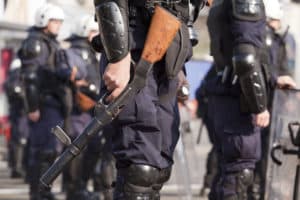
Although police officers are authorized to use force, sometimes the force used can be excessive. When a police officer uses more force than is reasonably necessary under the circumstances, you may have the right to file a claim. An excessive force lawyer explains some important things you need to know about claims against the police based on the use of excessive force.
The amount of force a police officer may use when making an arrest has no specific limit. Instead, police departments typically expect officers to use the least amount of force possible to safely subdue a suspect. The police are required to use reasonable care and good judgment based on their viewpoint of the situation as it presents. When the amount of force exceeds this limit, this is referred to as “excessive force” or at times “police brutality”.
As a practical matter, the amount of force that is reasonable depends on a number of factors. Some variables include the nature of the alleged crime, cooperation of the suspect, and the level of threat posed. If a suspect resists, has a weapon, or is suspected of a violent crime or felony, the officer has a reasonable justification to use more force.
There are times when the physical force used by law enforcement against a suspect may be considered excessive, including when:
A police officer does have the right to use deadly force under certain limited circumstances. While every case turns on its specific details, the Supreme Court of the United States has considered this question and provided certain guidelines in a number of different legal cases. Essentially there are three circumstances when a police officer may be authorized to use deadly force: 1) to protect the officer’s own life; 2) to protect the life of an innocent person; 3) to prevent a suspect from escaping, but only if the officer reasonably believes that the suspect poses a serious danger to others.
Cases involving police shootings usually turn on the details of witness accounts, physical evidence, and increasingly more often, video footage. These types of cases can also result in criminal prosecution of the officers involved, if the shooting was legally unjustified.
Unlike claims for false arrest or false imprisonment, claims for excessive force generally do require evidence of a physical injury. Because police officers are permitted to use force to subdue a suspect, the mere fact that an injury was sustained during an arrest is not enough. Instead, the injury sustained must be consistent with the use of excessive force. Some common types of injuries that are consistent with excessive force include: fractured or broken bones; brain injuries; and wrongful death.
If you have any questions concerning your excessive force police claim, contact our experienced personal injury attorneys for more a free consultation by email or calling (800) 762-9300. You can also get started by simply filling out one of our case intake forms, and we will have one of our attorneys get right back to you.