
Free Consultation
Free Consultation
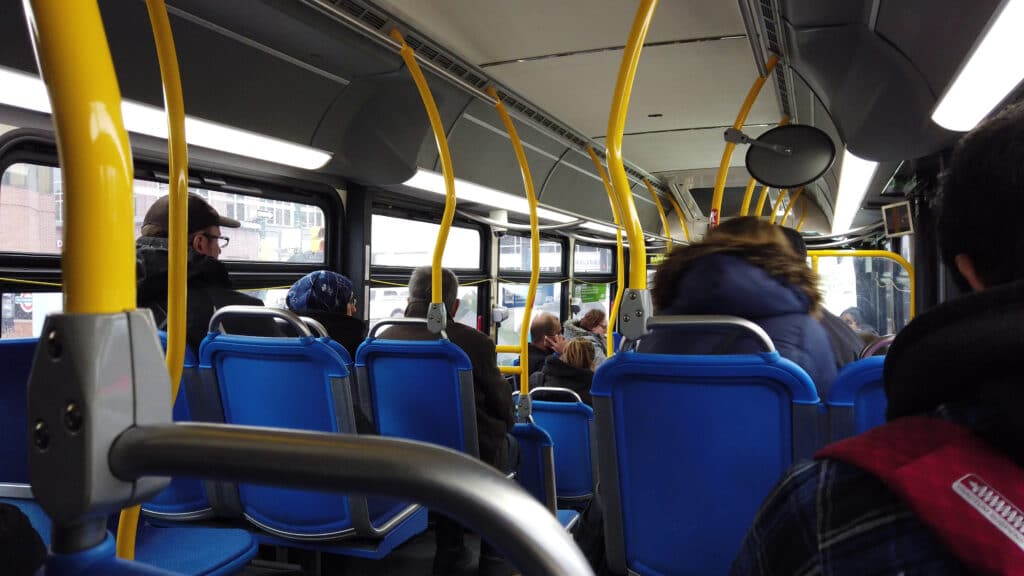
Thousands of commuters rely on Bronx municipal vehicles daily. When a city bus and an emergency vehicle collide, the impact extends far beyond property damage. Understanding how local courts evaluate these multi-vehicle municipal collisions remains critical for anyone impacted by public transit wrecks.
Accidents involving city buses and municipal emergency trucks create complicated legal questions for anyone harmed during the collision. When public transit vehicles hit large rescue rigs, forces inside passenger cabins can throw individuals around unpredictably. Commuters and local residents often face sudden medical bills, missed work, and confusion over who bears legal responsibility. As reported by News12, nineteen people were allegedly injured after an MTA bus and an FDNY truck collided in Longwood.
The FDNY reported a purported collision between an MTA bus and an FDNY truck in Longwood. The incident allegedly happened just after 12:30 p.m. Authorities purportedly reported that nineteen people were injured in the crash, including firefighters. Fourteen people and five firefighters were allegedly transported to the hospital for treatment. Paramedics purportedly evaluated an additional three people directly at the scene.
Collisions between heavy municipal vehicles generate immense kinetic force that transfers directly to vehicle occupants. Riders inside transit buses often lack seatbelts or harness systems, leaving them vulnerable to sudden stops. Common physical damages from mass transit impacts include whiplash, lumbar spine trauma, severe concussions, fractured limbs, and lacerations caused by shattered windows. Firefighters inside emergency rigs can also sustain joint injuries or blunt force trauma when heavy gear shifts unexpectedly during a violent impact.
Following wrecks in Longwood, emergency responders typically route injured individuals to nearby Level 1 trauma facilities for immediate care. Patient transports from this area frequently head to Lincoln Medical Center or Jacobi. These medical emergency centers provide urgent diagnostic imaging, orthopedic care, and trauma surgery. Securing prompt medical evaluations creates vital medical documentation that connects physical injuries directly to the motor vehicle collision.
Determining fault in a public bus and emergency truck crash depends on specific state laws. Under New York law, bus companies act as common carriers and must exercise high care to protect passengers. However, emergency vehicles are granted special driving privileges under New York Vehicle and Traffic Law Section 1104. This law allows emergency drivers to bypass certain traffic rules when responding to calls, provided they operate with due regard for public safety.
When evaluating a claim, Bronx courts examine whether emergency sirens and lights were active before the crash. If an emergency vehicle was operating under statutory privilege, injured claimants must often prove the emergency driver acted with reckless disregard rather than simple negligence. Conversely, claims against the transit authority typically follow standard negligence principles. Additionally, claims against city entities require strict compliance with New York General Municipal Law Section 50-e, which mandates filing a formal Notice of Claim within 90 days of the occurrence.
Navigating personal injury claims against public entities like the MTA or The City of New York involves complex legal hurdles. Municipal defendants maintain aggressive legal defense teams focused on minimizing public liability. Investigating these complex cases requires securing bus dashcam recordings, analyzing vehicle black box data, obtaining traffic camera footage, and interviewing eyewitnesses. Missing rigid municipal deadlines or failing to file proper notices can permanently bar an injured party from seeking financial recovery.
An experienced Bronx auto accident attorney handles communication with municipal adjusters, coordinates with accident reconstruction experts, and calculates long-term financial damages. A legal team ensures medical expenses, lost wages, and physical pain are fully documented and pursued. By managing administrative deadlines and gathering critical evidence, skilled counsel allows injured individuals to focus entirely on their physical recovery.
The alleged collision between a transit bus and an emergency fire truck in Longwood highlights how suddenly public transportation crashes can disrupt lives. Establishing fault when two municipal entities are involved requires thorough investigation and a clear understanding of New York emergency vehicle laws. Protecting your legal rights means taking decisive action before strict municipal notification deadlines expire. If you’ve been injured, our Bronx Bus Accident Lawyer team is ready to help. Call (718) 364-4000 or email us today.
You should seek immediate medical evaluation at an emergency room or trauma center to care for your health and create a medical record. Be sure to report the incident to the bus operator or law enforcement so an official crash report is created.
In New York, claims against public entities require filing a formal Notice of Claim within 90 days of the accident under General Municipal Law Section 50-e. Missing this short deadline can prevent you from bringing a lawsuit to recover financial damages.
Yes, injured bus passengers generally have a right to pursue compensation regardless of which vehicle operator caused the crash. Liability will be apportioned between the involved municipal entities based on their percentage of fault under New York law.