
Free Consultation
Free Consultation
The use of anesthesia is a fundamental part of any surgery. While generally safe, there are times when a patient can be injured because of medical malpractice. Here are some important things you need to know if you were injured by anesthesia malpractice.
Anesthesia is a general term that is used to describe any number of medications that are used during a surgical procedure for a patient’s comfort and protection. There are many different types of anesthesia. Some affect only a small area of the body for a short period of time. Others, however, can keep a patient unconscious and pain free for hours.
Some common forms of anesthesia, include:
With the exception of local anesthetics, most anesthesia is administered by a specialist known as an Anesthesiologist. These specialists are responsible for administering different medications during surgery, including medications to reduce/eliminate pain, regulate blood pressure and heart rate as well as medications that limit a patient’s memory.
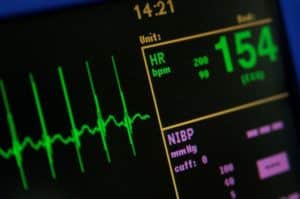
Anesthesiologists are required to maintain records that detail specific and important information covering the use of anesthesia during surgery, including: names of medications administered; amounts of each used; period of time medication was administered over; patient’s response; patient’s vital signs; as well as other important indicators of a patient’s health.
Like every other speciality in medicine, anesthesiologists are required to perform services in accordance with accepted standards of care. This is a legal concept that requires that the anesthesiologist essentially perform services as would an average anesthesiologist in the community. There are certain common types of anesthesia malpractice, including:
These types of errors can cause serious problems, including:
To determine whether medical malpractice was committed by your anesthesiologist, the anesthesia record must be reviewed by a competent anesthesiology medical expert. The medical expert will review the complete medical chart, including the details of the anesthesia record looking for evidence that, among other things, the patient was not properly monitored during the procedure. Essentially, the anesthesiologist is the guardian of the patient’s vital signs, charged with the responsibility to react when there is evidence of danger. If there is evidence that the anesthesiologist failed in this obligation, there may be a basis for a medical malpractice claim.
If you have an questions about your medical malpractice claim, contact our experienced medical malpractice attorneys for a free consultation by email, or calling (718) 364-4000. You can also fill out a case intake form, and one of our attorneys will get right back to you.