








Rideshare Accidents in Manhattan: Uber and Lyft Insurance Coverage Issues
On February 2, 2026 by  No Comments
No Comments

Free Consultation
No Comments
Rideshare accidents in New York City present unique insurance challenges that many passengers don’t discover until after they’re injured. While Uber and Lyft advertise substantial coverage, NYC operates under different rules than the rest of New York State. These rules often leave injured passengers with less protection.
At Macaluso & Fafinski, P.C., we represent rideshare accident victims throughout Manhattan. Understanding how Uber and Lyft insurance actually works in NYC is important to recovering fair compensation.
New York State law requires rideshare companies to carry $1.25 million in liability coverage when transporting passengers. However, NYC operates under an exemption. The NYC Taxi and Limousine Commission mandates only $100,000 per person and $300,000 per accident, the same minimums required for traditional taxis.
A rideshare passenger seriously injured in Manhattan receives far less insurance protection than someone injured in Nassau County. When medical bills exceed $100,000, victims exhaust available coverage quickly. Manhattan personal injury attorneys know this gap leaves many accident victims undercompensated.
Rideshare insurance operates in three phases, and coverage depends entirely on what the driver was doing when the accident occurred:
This phased system can create gaps in protection, especially in Periods 0 and 1, so consulting a local professional is key for understanding your specific situation.
NYC rideshare vehicles must carry $200,000 in Personal Injury Protection coverage. PIP covers medical expenses and lost wages regardless of who caused the accident. However, it’s often insufficient for serious injuries requiring surgery or extended treatment.
The problem intensifies because NYC doesn’t require Supplementary Uninsured/Underinsured Motorist coverage for rideshare vehicles. NYC rideshare accident lawyers know that passengers lack this protection unless they carry their own SUM coverage on a personal vehicle.
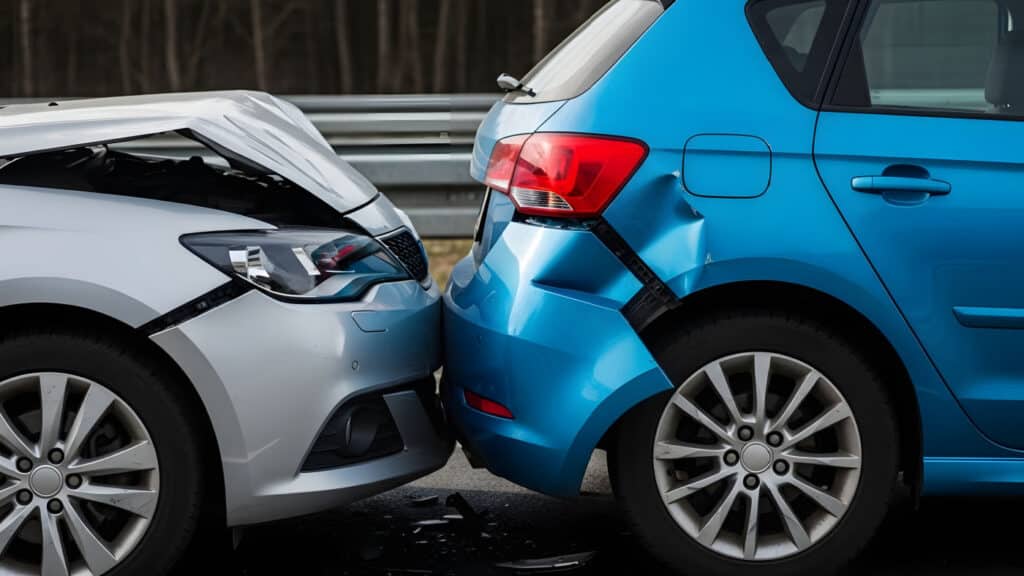
Many Manhattan rideshare accidents involve multiple vehicles. Your Uber might get rear-ended while another vehicle sideswiped a third. Determining liability becomes complex.
New York rideshare accident attorneys investigate thoroughly, examining police reports, witness statements, and vehicle damage patterns. Sometimes the rideshare driver shares fault through distracted driving. Other times, the negligent third party lacks adequate insurance. Understanding all potential sources of recovery matters enormously.
Manhattan’s dense traffic creates unique accident risks:
Manhattan rideshare accident lawyers frequently handle these types of cases.
Insurance companies routinely undervalue rideshare injury claims. Some injuries don’t manifest immediately. Whiplash and concussions often worsen days after accidents.
Document everything immediately. Seek medical attention even if you feel fine. Keep all medical records, bills, and wage documentation. Screenshot your Uber or Lyft ride details. This evidence becomes important when insurers dispute coverage.
Never provide recorded statements to insurance adjusters without consulting a Manhattan Uber accident attorney. Adjusters use leading questions to minimize your claim.
The insurance coverage gap in NYC rideshare accidents means you can’t rely on Uber or Lyft insurance alone to cover serious injuries. Understanding your rights and all potential sources of recovery is essential to obtaining fair compensation.
Learn how settlement works in personal injury cases and how our Manhattan rideshare accident lawyers maximize recovery for our clients. At Macaluso & Fafinski, P.C., contact us online to discuss your Manhattan rideshare accident case. We’ll review your situation, explain your legal options, and fight to maximize your recovery as your dedicated Manhattan Uber accident lawyer.